Collection: Saint Paris, Ohio

Pre Save Saint Paris, Ohio
📖 Before there was a town… before there were roads… Ohio was land shaped by rivers, seasons, and the people who moved through it. The land that would eventually be called Saint Paris was a travel corridor for indigenous peoples in the Miami Valley like the Shawnee...the Miami, of course...and also many displaced Lenape (Delaware) from the East.
✍🏽After the Treaty of Greenville in 1795, pioneers started making their way out west. Sometime thereafter, David Huffman settled around promising swampland and built himself a hewed log house. He called his town "New Paris" . Eventually realizing, there was already a New Paris in Ohio and for sake of not confusin' the post office, he changed the name to Saint Paris. Built piece by piece by people who decided to "move" in... Folks began to turn David Huffman's swampy homestead into something permanent.
🚂A town can only grow so much on its own, though. When the Columbus & Piqua Railroad came through in 1850, suddenly St. Paris wasn’t just a place—it was connected. People, goods, and culture started moving in and out of town in ways they never could before.
🐴After the railroad came through… the town found its purpose. Walborn and Riker had built something special here—pony wagons with red wheels that, along with the train, moved most of the people in Saint Paris to Chicago's World's Fair in 1893...Shortly thereafter, the town itself moved onto the world stage as "The Ponywagon Town".
👨🏻🌾🏫While the town was building its place in history, someone born just outside of town was thinking about its future. Albert B. Graham believed that learning should come from doing— he also noticed that adult farmers were not easy acceptin' new agricultural methods. He figured teachin' youths about the science of farmin' was best and knew kids would try new ideas and bring them home to their folks when they found success. In 1902 A.B. Graham moved people with his vision of Head, Heart, Hands, and Health by creating 4H. In 1957, seven different schools from four different townships around Saint Paris formed the Graham Local School District... Talk about movin' people! Try movin' people to school from four different townships...
🌳🏕️🌊🌳Ol' John W. Kiser, born in Saint Paris, made his fortune in Chicago making bicycles in the tradition of doing the thing Saint Paris folks do best..."movin' people". After a few years away from town, he bought a bit of land on Main Street and built a giant mansion. John Kiser loved buyin' up land. Sometime in the late 1800s, he aquired some particularly interesting land in Johnson township just outside of town on Mosquito Creek. What Ol' John loved more 'en buyin' land was puttin' his name on stuff. In 1932, he donated the land with the Mosquito Creek Dam to state of Ohio under the condition that they rename the park after him. In 1940, after the state of Ohio had given Mosquito Creek a new and improved dam, the former Mosquito Lake which had been created by the dam became the much-larger-main-feature at the present day Kiser Lake State Park.
🎉As time moves on in Saint Paris, the village remembers. Saint Paris' fall festival is a reminder of what makes this place special, that the village moves people. In 1981, "Pony Wagon Days" started moving people into town, from the present to the past, and all over Main and Springfield Streets for one weekend every September.
🚗Today, the wagons are gone. The tools have changed. The materials are different. But the work? The purpose? That’s still here. St. Paris is the little village that has never stopped movin’ people.
What's next for Saint Paris?
Well, now, the "Ponywagon Town" can move people all over the world again with EmDubs latest album...
Stream "Saint Paris, Ohio" on September 10, 2026. Pre Save Now!
Track List
- Welcome to the Miami Valley
- Saint Paris
- Columbus & Piqua Railroad
- Ponywagon Town
- A.B. Graham
- Kiser Lake State Park
- Ponywagon Days
- Still Movin' People
Giftshop👇. More to come!

-
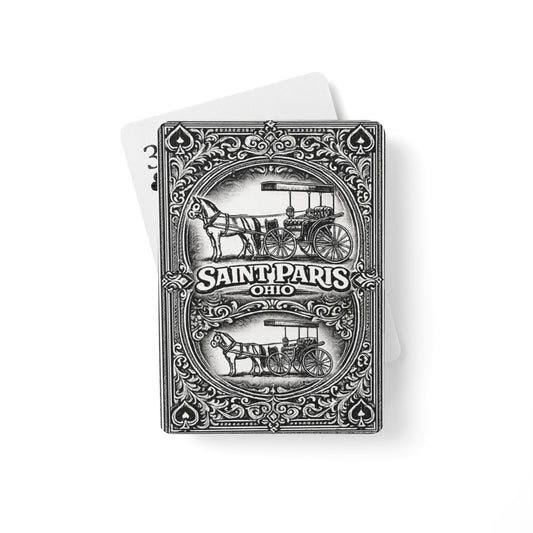
Saint Paris, Ohio Playing Cards
Regular price $19.99 USDRegular priceUnit price per -
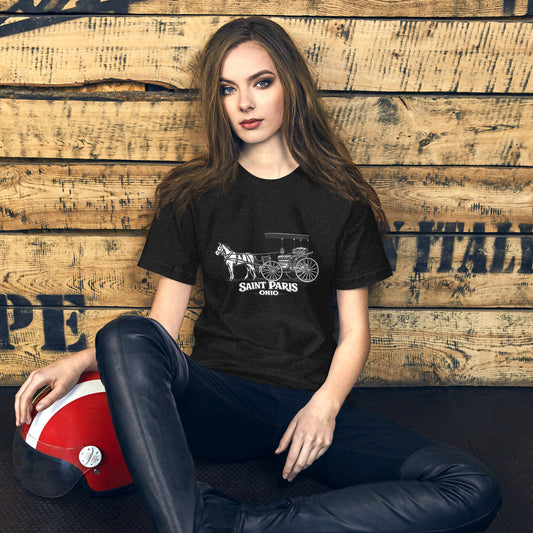
Saint Paris, Ohio Unisex T-shirt
Regular price $29.99 USDRegular priceUnit price per -
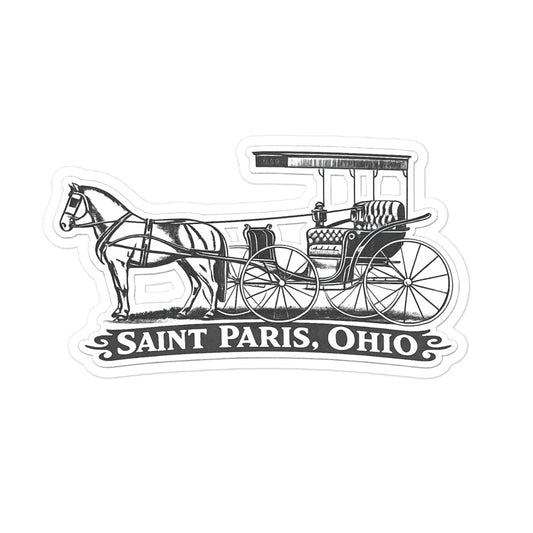
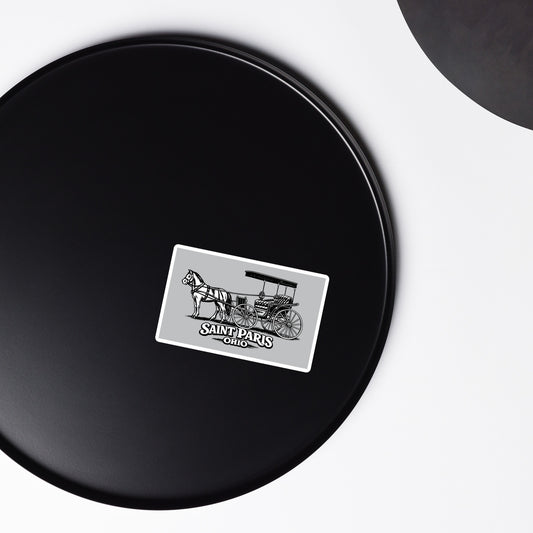
Saint Paris Bubble-Free Stickers
Regular price $8.00 USDRegular priceUnit price per -
Saint Paris Magnet
Regular price $10.00 USDRegular priceUnit price per -
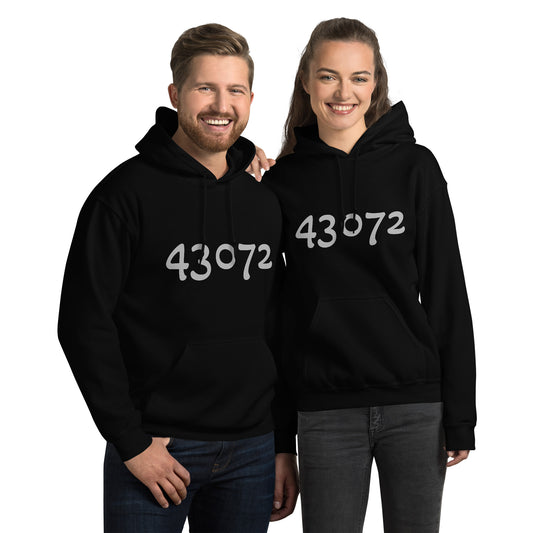
43072 Unisex Hoodie
Regular price $39.99 USDRegular priceUnit price per -
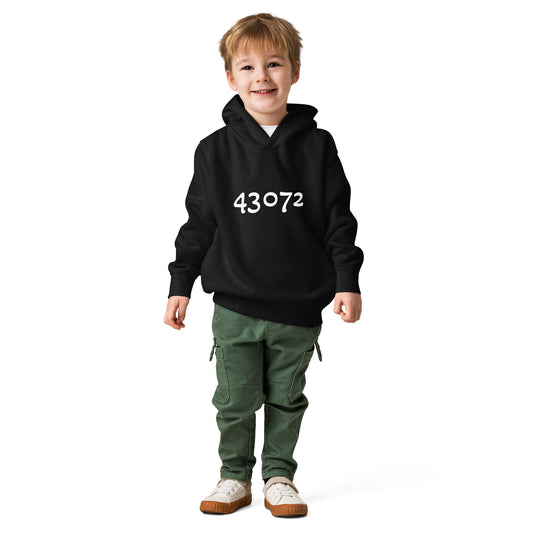
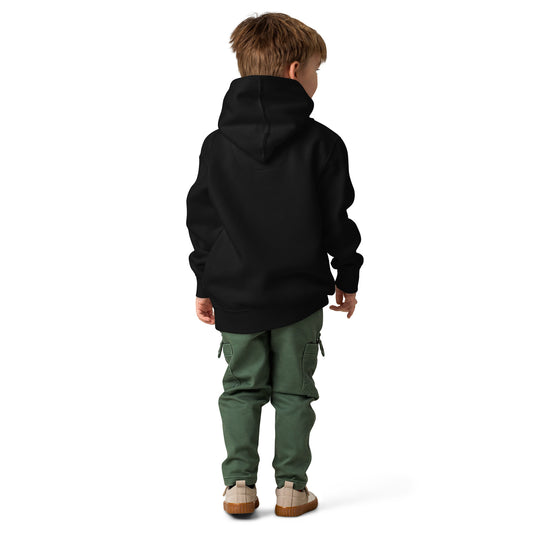
43072 Toddler Fleece Pullover Hoodie
Regular price $29.99 USDRegular priceUnit price per -
A Pony is Not a Small Horse Youth Heavy Blend Hoodie
Regular price $29.99 USDRegular priceUnit price per -
A Pony is a Pony Not a Little Horse Unisex T-shirt
Regular price $29.99 USDRegular priceUnit price per -
A Pony is Not a Small Horse Unisex Hoodie
Regular price $39.99 USDRegular priceUnit price per -
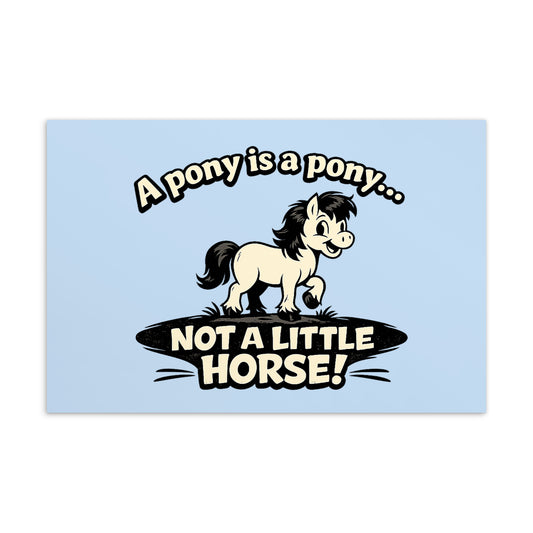
A Pony is a Pony, Not a LIttle Horse Standard Postcard
Regular price $5.99 USDRegular priceUnit price per -
Kiser Lake: I'll be Dammed. It's Man-made Unisex Hoodie
Regular price $39.99 USDRegular priceUnit price per -
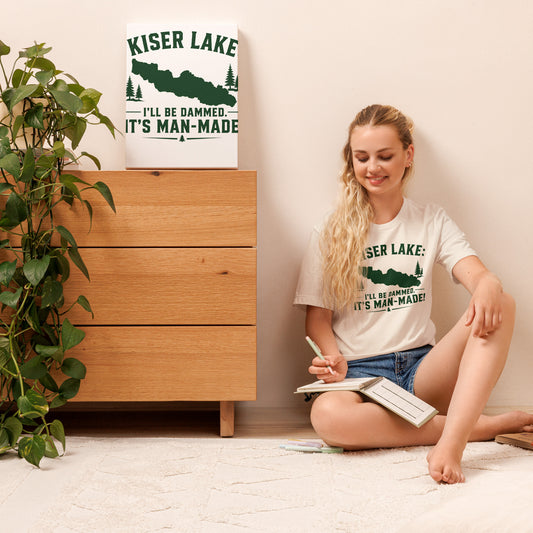
Kiser Lake: Well I'll be Dammed... It's man-made! Adult Unisex Tshirt
Regular price $29.99 USDRegular priceUnit price per -
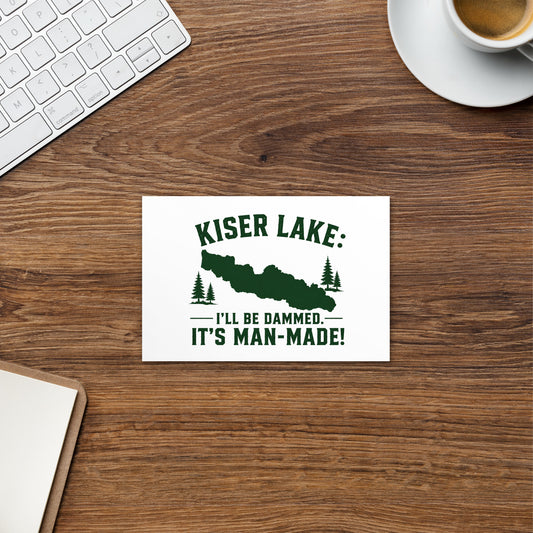
Kiser Lake: Well I'll Be Dammed It's Man-Made Standard Postcard
Regular price $4.99 USDRegular priceUnit price per -
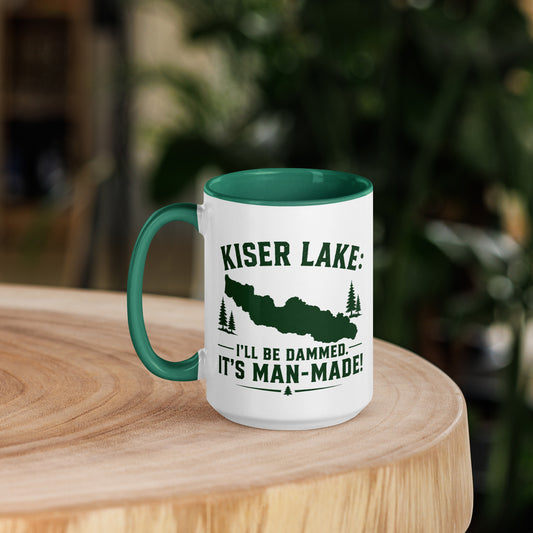
Kiser Lake: Well I'll be Dammed... It's man-made! Mug
Regular price $19.99 USDRegular priceUnit price per -
Kiser Lake: Well I'll be Dammed It's Man-Made Shaker Pint Glass
Regular price $27.99 USDRegular priceUnit price per -
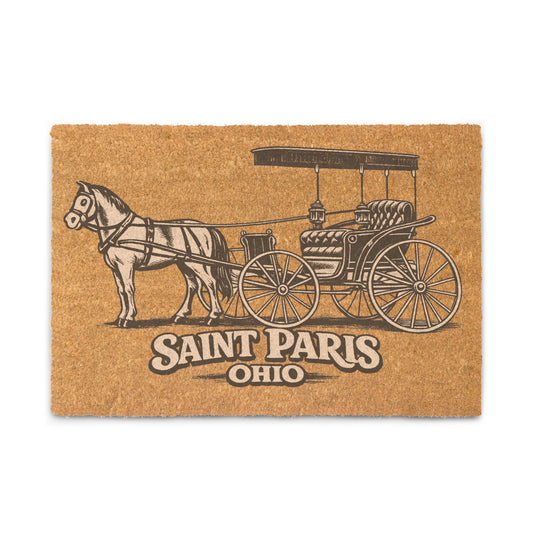
Saint Paris Coir Doormat
Regular price $49.99 USDRegular priceUnit price per